The prompt workshop
An Invitation to Notice
Make a small, manageable promise to your attention. A useful challenge gives you a direction without deciding the photograph for you.
This week's prompt: one subject, three distances
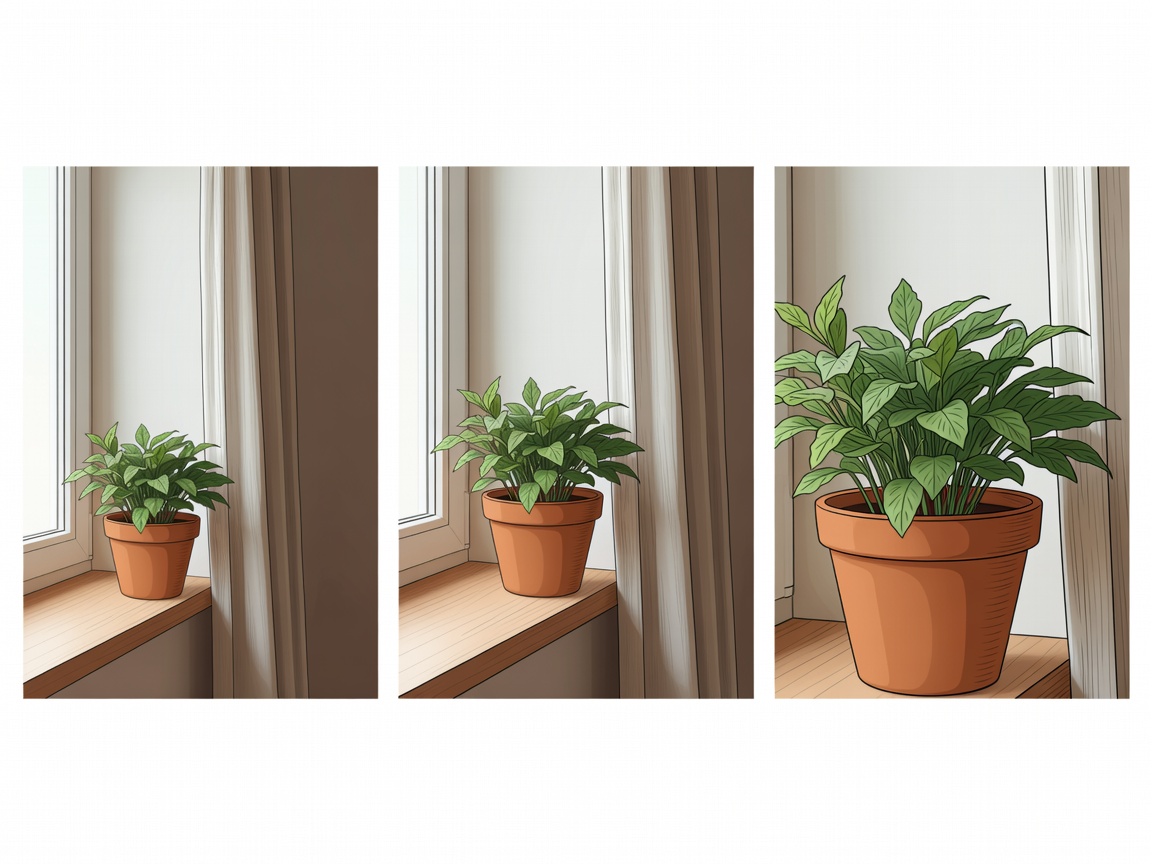
Choose something ordinary: a chair beside a window, a bicycle against a wall, or a houseplant on a table. Make three photographs of that same subject. First, include enough surroundings to establish its setting. Next, move closer until the subject and its nearest relationships dominate. Finally, isolate a detail that would be easy to overlook.
Keep the subject in place if possible. The purpose is to discover how your position changes the image, not to manufacture three unrelated arrangements. You can use any camera and work indoors. This is an evergreen weekly practice: there is no closing date, entry fee, prize or hosted submission.
Before starting, write one question in a notebook: “How does this object belong here?” That question gives the sequence a thread. If a different question emerges while you work, follow it and record what changed.
Give the week a simple rhythm
- Notice. Spend your first session looking without photographing. Find a subject you can revisit safely and without disturbing anyone.
- Explore. Make the three-distance sequence. Change your height as well as your distance, and check whether the background becomes clearer or more distracting.
- Choose. Leave a little time before reviewing. Select one frame from each distance instead of keeping every slight variation.
- Reflect. Write a sentence about what each picture reveals. Decide which image communicates most clearly and what you would try next.
This rhythm is deliberately modest. A short session that you can repeat is more useful than an ambitious assignment you never begin. If your week is crowded, make the whole sequence in one afternoon and return to your notes later.
Compose with relationships, not commandments
A rule-of-thirds grid can reveal where you have placed a subject, but it cannot tell you whether the placement feels right. Compare a centered frame with one that leaves room on a single side. Ask what the empty area contributes: anticipation, quiet, direction or simply unused space.
Inspect the frame edges before pressing the shutter. A bright fragment, a half-visible sign or a branch touching the subject may compete with your intention. Sometimes moving a few centimeters is a better solution than planning a later crop.
Look for visual weight as well as objects. A small bright shape can pull more attention than a large dark one. Repeated forms can create rhythm; a single interruption can become the subject. Use these observations to make choices rather than to grade yourself against a formula.
Three briefs for your next round
Quiet repetition: find a repeated shape and include one small difference. Avoid arranging the difference immediately; first see what the existing scene offers. Compare a tight pattern with a wider frame that explains its setting.
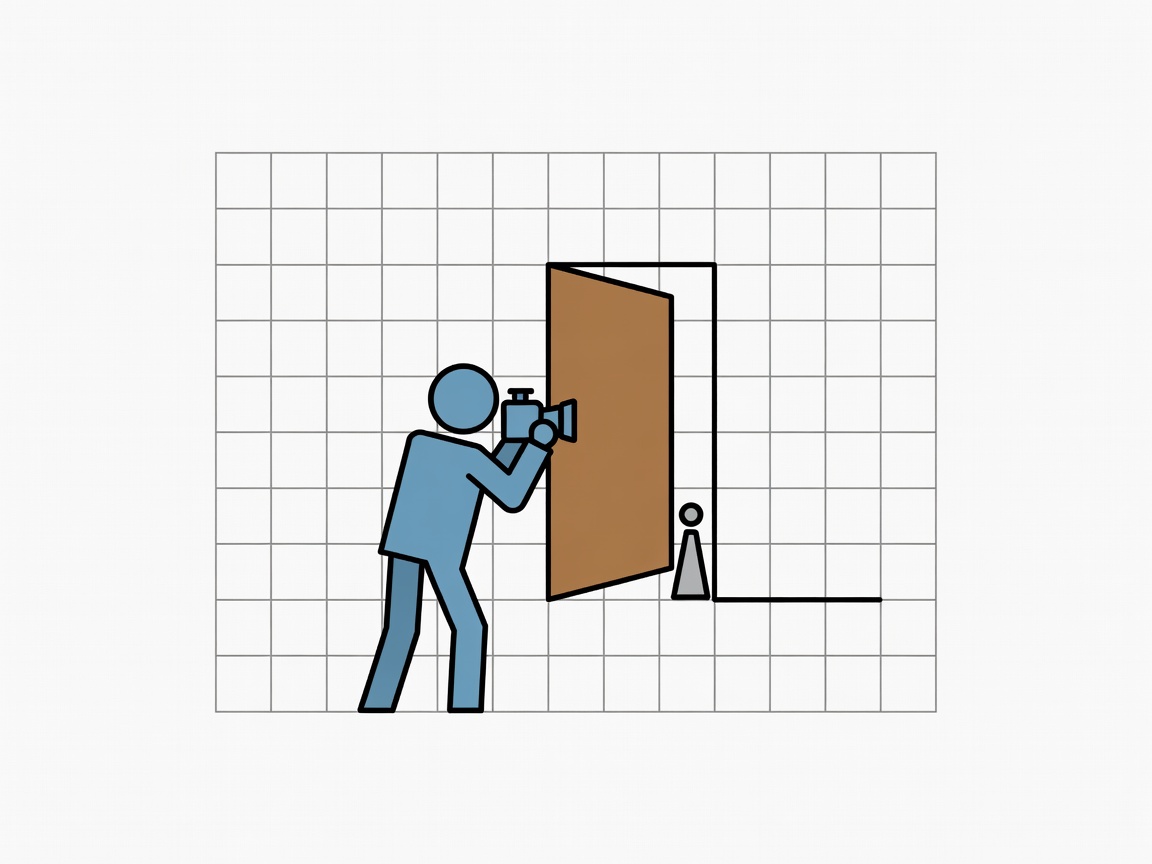
A boundary crossed: explore a threshold, shadow line or change of texture. You do not need a stranger in the frame. A leaf crossing a windowsill can express the idea without turning another person into an uninvited subject.
Evidence of care: photograph a repaired object, a tended plant or a carefully set workspace. Let a concrete detail carry the meaning rather than relying on a caption to supply a story the image cannot show.
Learn from photographs without imitating a life
John Szarkowski's The Photographer's Eye offers useful language for discussing frame, detail and vantage point. Henri Cartier-Bresson's The Decisive Moment invites attention to relationships within a fleeting arrangement. These are starting points for looking, not requirements to copy a particular era or style.
You can also compare a Dorothea Lange portrait with an Edward Weston still life: what changes when a person, rather than an object, carries the image? Discuss visible decisions carefully and avoid inventing the subject's feelings. Your own ordinary surroundings provide enough material for sustained practice.
Finish with a question worth sharing
When you post in an external photography community, include the prompt, your intention and one uncertainty. “Does the wide frame give useful context, or does the bright doorway distract?” invites a more specific response than “Thoughts?” Follow the group's image limits and editing-disclosure rules.
Keep your first selection alongside any revision. At the end of several weekly rounds, look for a recurring choice: perhaps you always move close, avoid empty space or favor dramatic contrast. That pattern is not a failure. It is the next useful prompt.